
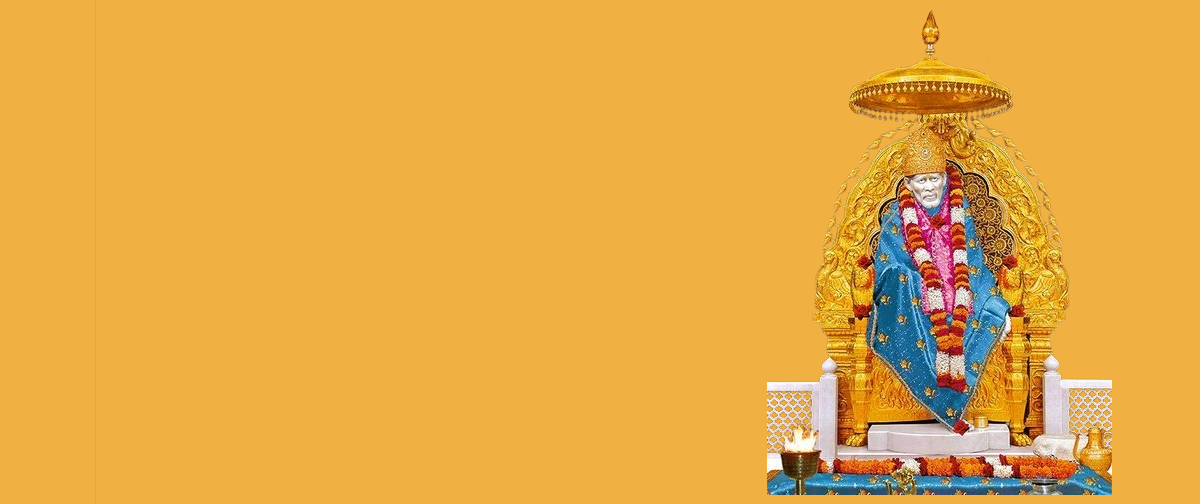

Why Did Shirdi Sai Baba, Living as a Sufi Fakir, Respect and Practice Hindu Traditions?
One of the most profound mysteries of Shirdi Sai Baba’s life was his ability to bridge the gap between two major religions. While he lived like a Muslim Sufi Saint (Fakir), he encouraged and participated in Hindu rituals. To understand why he did this, we must look at his core philosophy: “Sabka Malik Ek” (One God Governs All).
Here is an insightful guide from shirditemple.com on how Baba unified religions.
The Saint of Unity
Shirdi Sai Baba was a “Universal Master.” Though he stayed in a mosque, wore a kafni, and chanted “Allah Malik,” he named his mosque Dwarkamai (a Hindu name) and allowed Hindu devotees to perform Aarti and apply sandalwood paste to him. He did this to prove that God is beyond the labels of religion.
🌟 4 Reasons Behind His Universal Approach
1. Breaking the Walls of “Us vs. Them”
During Baba’s time, religious divisions were deep. By staying in a mosque while allowing Hindu rituals inside it, Baba demonstrated that the place of worship doesn’t matter as much as the purity of the heart. He often said, “If you are a Hindu, be a better Hindu. If you are a Muslim, be a better Muslim.”
2. Respecting the Devotee’s Faith
Baba’s followers came from all walks of life. He never asked a Hindu to stop being a Hindu. Instead:
- He encouraged them to read the Bhagavad Gita and Vishnu Sahasranama.
- He initiated the celebration of Ram Navami in Shirdi, combining it with the Muslim Urus festival.
3. The Symbolism of Dwarkamai
Dwarkamai was a dilapidated mosque, yet Baba kept a sacred fire (Dhuni) burning there 24/7. In Hinduism, the fire is a witness to truth (Agni Sakshi), and in Sufism, light represents divine knowledge. By merging these symbols, he taught that the essence of all scriptures is the same.
4. He Lived the Oneness of God
Baba famously told his devotees that he was neither exclusively Hindu nor Muslim. He was a pure soul who saw God in every living being—be it a king, a beggar, a dog, or a fly. For him, “kumbuduthal” (worship) was an act of love, not a religious contract.
🕍 Examples of His Religious Harmony
| Baba’s Muslim Side | Baba’s Hindu Side |
| Stayed in a Masjid (Mosque). | Named it Dwarkamai. |
| Recited the Quran and used Arabic terms. | Explained the Upanishads and Gita. |
| Wore a Kafni and tied a cloth on his head. | Allowed Aarti, Bell-ringing, and Abhishek. |
| Practiced Fakirism (asceticism). | Maintained the Dhuni and gave Udi (Sacred Ash). |
❓ Frequently Asked Questions (Q&A)
Q: Did Baba ever tell anyone to change their religion?
A: Never. He believed that everyone is born into a certain path according to their Karma, and they should find God within that path through Shraddha (Faith) and Saburi (Patience).
Q: Why do Hindus worship him more if he lived as a Fakir?
A: Because Baba personified the Hindu concept of an Avatara or Satguru who transcends all physical identities. His teachings of selfless love and miracles appealed to the spiritual heart of India.
Q: Is it okay for a Muslim to visit Shirdi?
A: Absolutely. Shirdi is one of the few places in the world where people of all faiths—Hindus, Muslims, Sikhs, and Christians—bow their heads at the same Samadhi.
🎒 Key Takeaways
- Divine Unity: Baba lived as a bridge between two worlds.
- Humanity First: He taught that character and devotion are more important than religious labels.
- Legacy: Today, Shirdi stands as the global capital of religious harmony.
📞 Experience the Harmony at Shirdi
Visit the place where “Allah” and “Ram” are celebrated under one roof.
Shirdi Temple & Tourism (Rengha Holidays)
📞 Call/WhatsApp: +91 94430 04141 | +91 77088 94141
🌐 Website:www.shirditemple.com
Our Tour Package – https://shirditemple.com/trip/chennai-to-shirdi-a-3-day-divine-journey-through-nashik-pandharpur/