
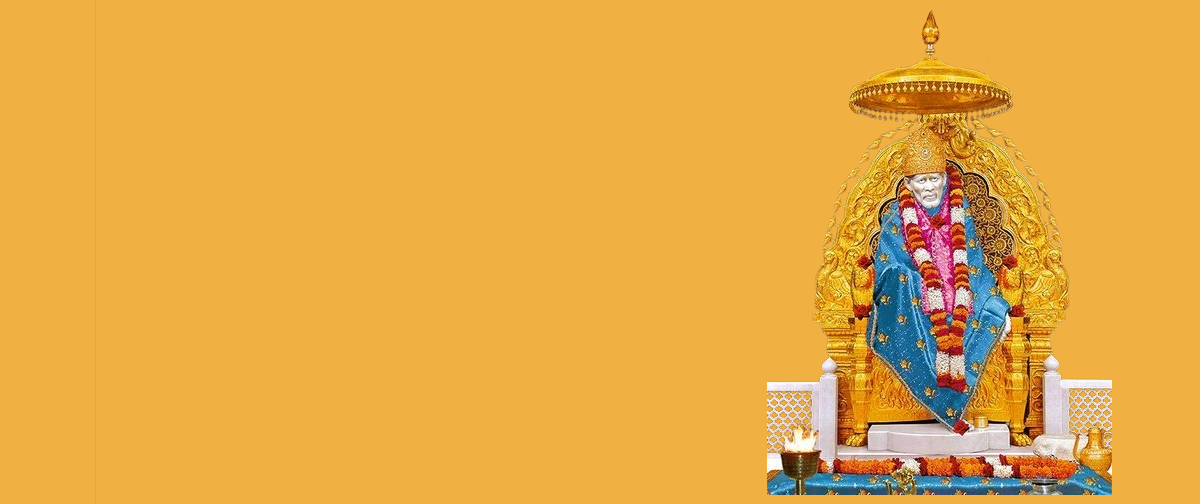

At Shirditemple.com, the spiritual wing of Rengha Holidays, we believe that understanding the religious views of Sai Baba is essential for any pilgrim. Baba did not just teach a religion; he lived a philosophy that transcended the boundaries of Hinduism and Islam, proving that the light of God shines equally in every heart.
What was Shirdi Sai Baba’s Religious View?
Shirdi Sai Baba’s religious view was centered on universal oneness and the belief that “Sabka Malik Ek” (Everyone’s Master is One). He synthesized Hindu and Islamic traditions by living in a mosque he named Dwarkamai, maintaining a sacred fire (Dhuni), and celebrating festivals like Ram Navami alongside Islamic Urs. He criticized religious orthodoxy and preached that the path to God is found through Shraddha (Faith) and Saburi (Patience), regardless of one’s specific faith.
1. The Synthesis of Hinduism and Islam
To rank for “Is Shirdi Sai Baba Hindu or Muslim,” it is important to understand his composite culture. Baba was a bridge between two worlds:
- The Muslim Fakir: He dressed as a Sufi mendicant, wore a kafni (robe) and a cap, and constantly uttered “Allah Malik.”
- The Hindu Deity: Devotees viewed him as an incarnation of Lord Dattatreya. He allowed Hindu rituals like Arati, chanting of Nama Japa, and the blowing of conch shells within the mosque.
2. Beyond Orthodoxy: “Sabka Malik Ek”
Baba was a fierce opponent of rigid religious labels. He taught that:
- Scriptures are Complementary: He advised Muslims to study the Qur’an and Hindus to read the Bhagavad Gita and Ramayana, emphasizing that the core message of love and self-realization is the same in all.
- The Dwarkamai Philosophy: By naming a mosque with a Hindu name (Dwarkamai), he demonstrated that the house of God belongs to everyone.
- Equality of All Beings: His religious view extended to animals and the less fortunate, teaching that serving a hungry creature is equivalent to serving God himself.
3. Key Religious Rituals Supported by Baba
| Ritual / Festival | Religious Origin | How Baba Observed It |
| Dhuni & Udi | Vedic / Sufi | Maintained a perpetual sacred fire; gave ash as a blessing. |
| Ram Navami | Hindu | Celebrated with a grand fair and sandalwood procession. |
| Salah & Qur’an | Islamic | Permitted Muslim rituals and readings at festival times. |
| Guru Pooja | Hindu | Allowed devotees to perform Padapuja (worship of the feet). |
4. Why This Matters for Your Shirdi Yatra
Understanding Baba’s inclusive religious view makes your visit more meaningful. Whether you are a devotee from Chennai or a spiritual seeker from abroad, Shirditemple.com and Rengha Holidays help you connect with this legacy of unity.
The Rengha Holidays Advantage:
- Spiritual Context: Our guides explain the “Composite Culture” of Shirdi during your tour.
- Multicultural Respect: We cater to devotees of all backgrounds, ensuring your Shirdi package is culturally sensitive and spiritually fulfilling.
- Seamless Logistics: From direct flights from Chennai to luxury transport, we handle the material journey so you can focus on the divine “Sabka Malik Ek” experience.
Ready to experience the harmony of Shirdi? Visit Shirditemple.com to learn more about the life and teachings of Sai Baba, and contact Rengha Holidays at [+91 77088 94141] to book your 2026 spiritual tour today.
Was Sai Baba of Shirdi a muslim?
This video explores the complex religious identity of Shirdi Sai Baba, discussing the historical perspectives on whether he was Hindu or Muslim and how he transcended these labels to promote universal unity. https://shirditemple.com/ https://www.youtube.com/shorts/HUV3XzTSgsY https://renghaholidays.com/packages